
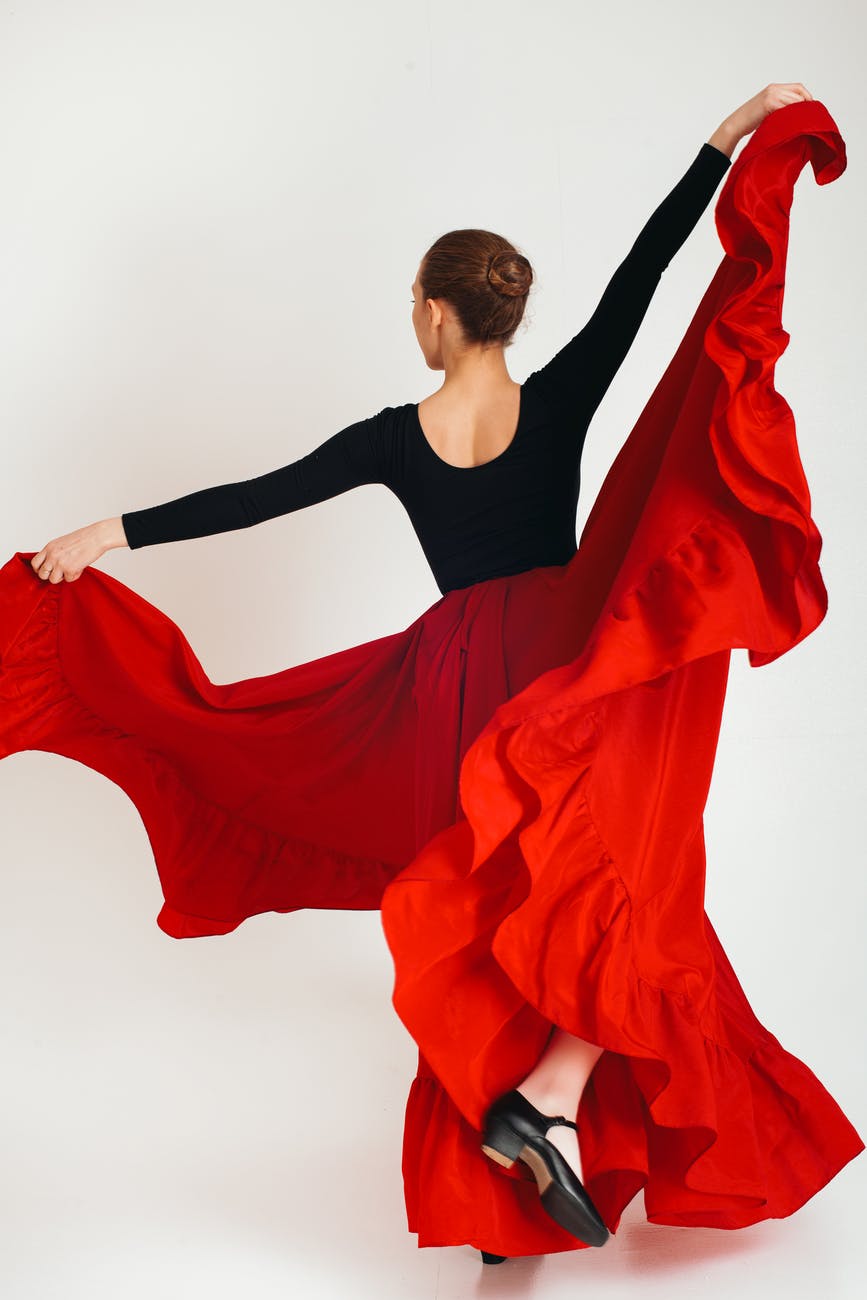
When you move
Move with energy
Allow the movements
To flow through you
And from you harmoniously
As you move you will sense
The effortlessness of movements
With practice it becomes a flow
Savvy
When you move
Move with energy
Allow the movements
To flow through you
And from you harmoniously
As you move you will sense
The effortlessness of movements
With practice it becomes a flow
Savvy
A beautiful read this morning came my way through a social media forward from my mother.
It’s truly meaningful.
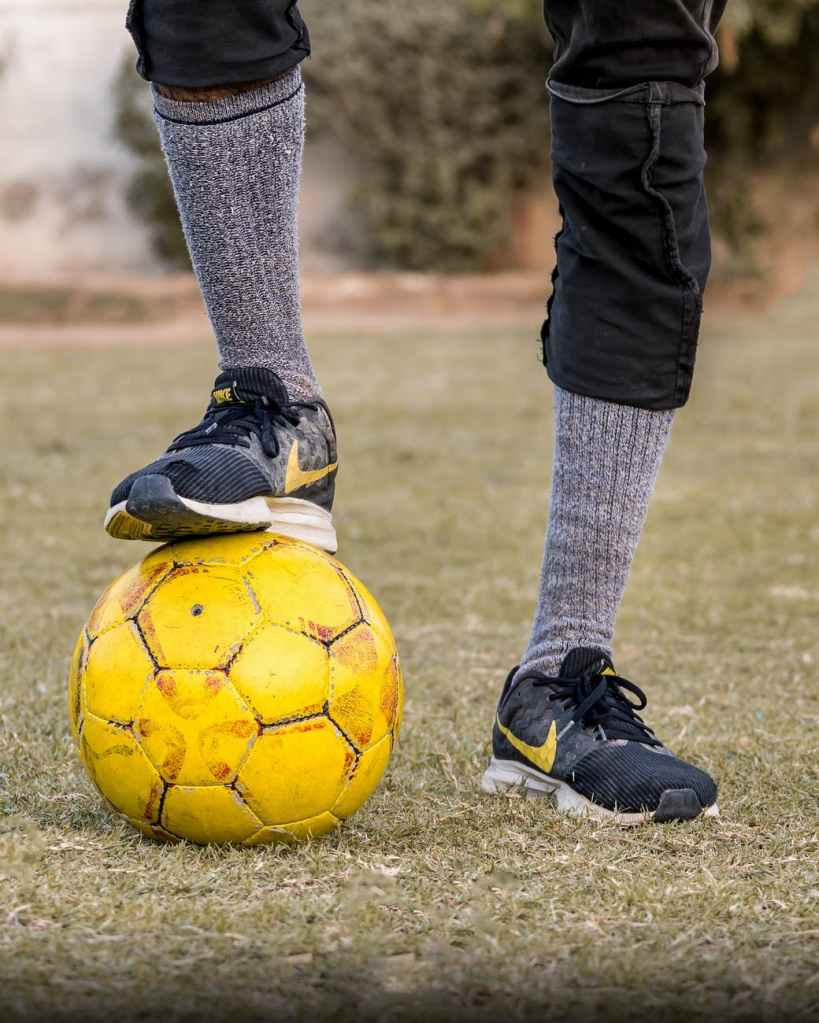
The Final Whistle…
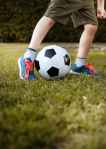
I was watching a local football match on a school ground.
I asked a boy sitting nearby, “What’s the score of your team?”
With a smile, the boy replied, “We are at 0, the opponents are at 3.”
I said, “Don’t lose hope, young man.”
The boy looked at me with a puzzled expression, as if questioning my understanding of his determination.
He then gave me a profound response:
“Why should I lose hope, uncle, when the referee hasn’t blown the final whistle yet?”
“I trust my team and my coach completely.”
“We will definitely win,” he said confidently and continued watching the game.
To my amazement, the match ended 5-4 in favor of the boy’s team.
As the victory was announced, the boy waved enthusiastically at me and left with a bright smile.
I was astonished, struck by his unwavering belief and confidence. His faith was so beautiful, so deep, it left me contemplating.
That night, as I returned home, his question kept resonating in my mind:
“Why should I lose hope when the final whistle hasn’t been blown?”
Life is like a game…
While we are still in it, why do we give up so often?
When our final whistle hasn’t sounded, why should we despair?
The truth is, many of us blow our own whistle prematurely.
We leave the field before the game is over.
But as long as life is with us, nothing is impossible.
Whether our time is half over, three-quarters over, or just beginning, that doesn’t matter.
What matters is that we don’t blow the whistle on ourselves before the time is up.
The referee of our game is God.
Have faith in Him and in yourself.
So, let’s remember that the final whistle hasn’t sounded yet,
and let’s enjoy every moment of life like an exciting game!
Life is now.
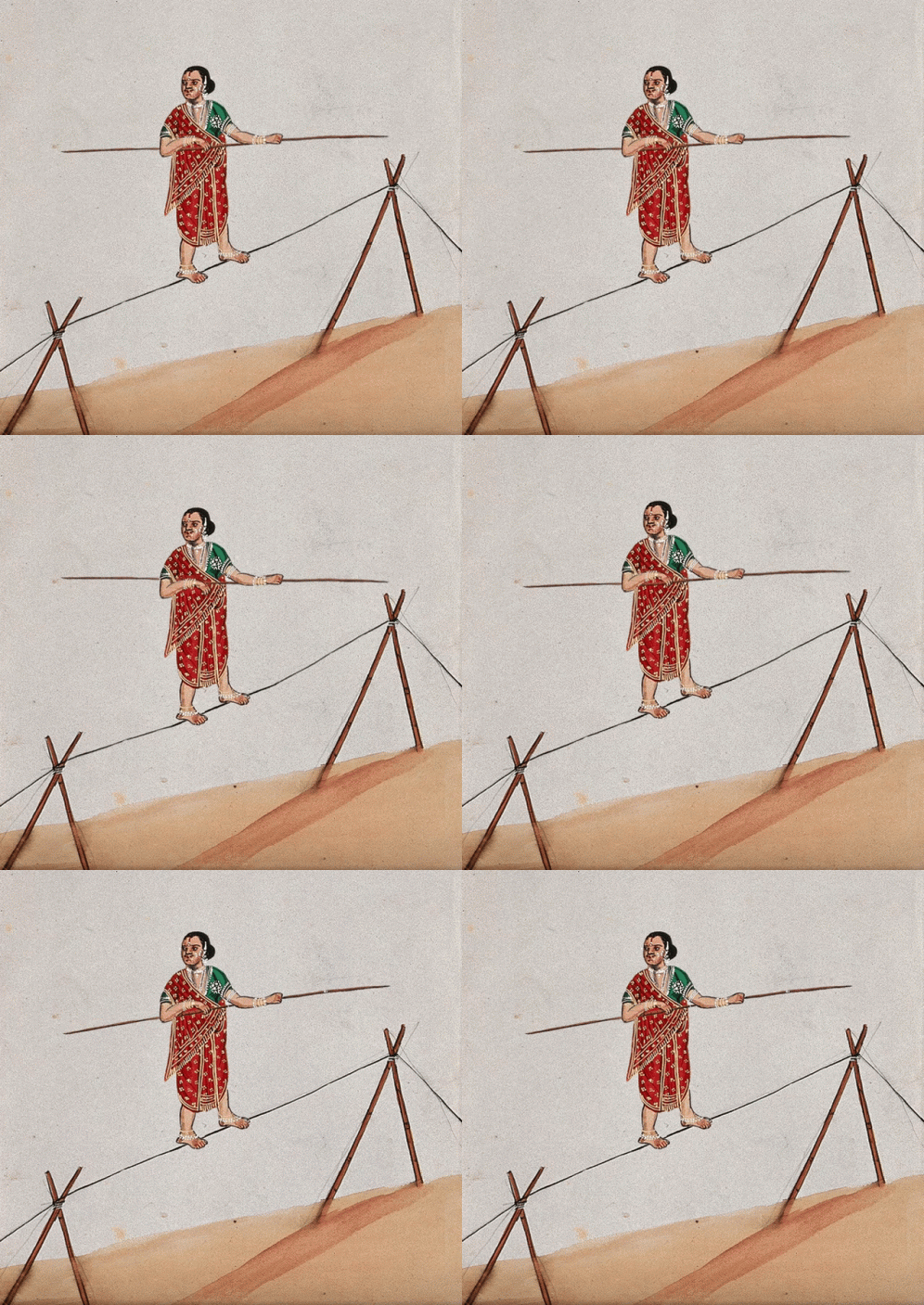
Have you faced self doubts and challenges in uncertainty
Have you been unsure of yourself to take a decision.
Here is an approach that actually changes the equation.
Instead of focusing on your doubts focus on your abilities.
Value yourself
Dare your self doubts
Persevere in patience
To build on your skills
Keep the faith in you
Focus on your strengths
Add insights in exploration
Dissolve your selfedoubts
Work on your positives
Own your competences.
Savvy
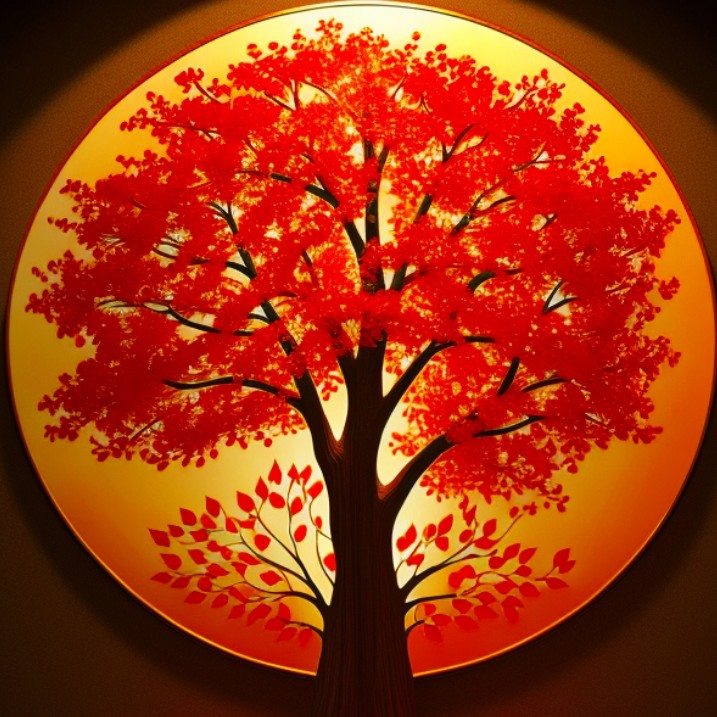
A tiny seed is inspirational
To push past the mighty earth
And assert itself in this world
Bearing abundant fruits
Blossom with beautiful flowers
And thrive into a towering tree…
All happens well in faith.
Savvy
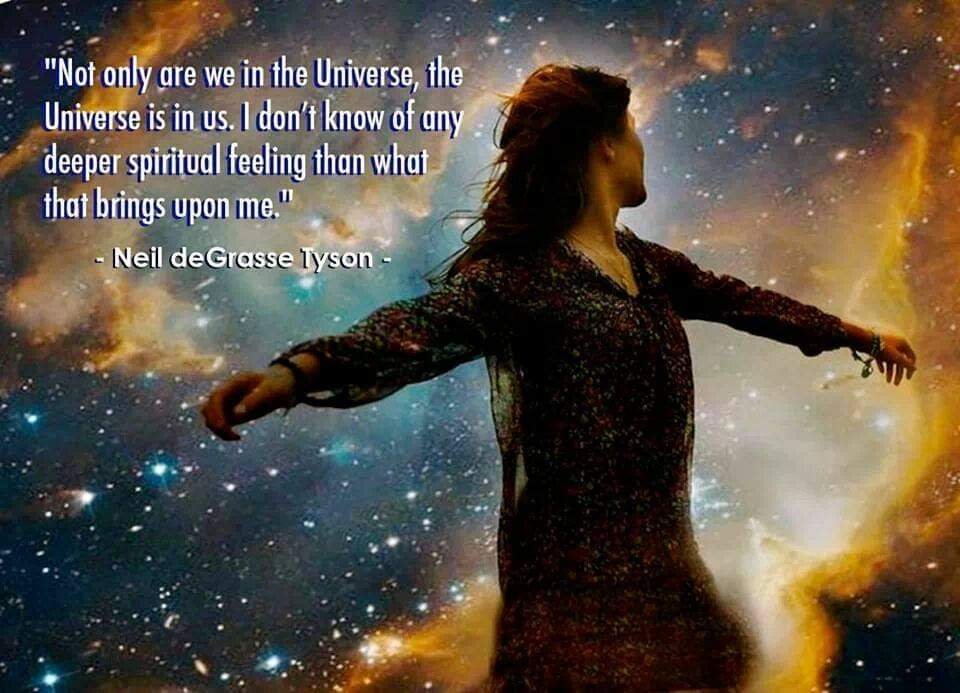
Glimmers of light
Sparking through thoughts
Colours of hope
Emerging through the words
Balancing the energy
Within and around
Connecting in communion
Between and betwixt
Infinite is the potential of light
That shines inside outside
Savvy
Do read Inside Outside part 1
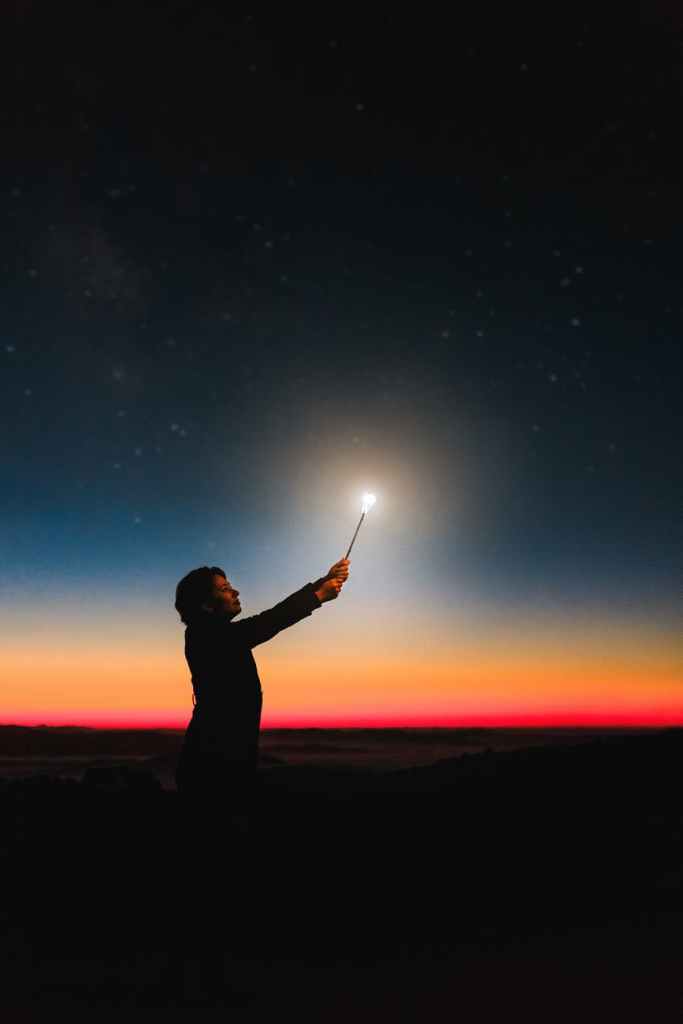
Between the light and dark
Is a dance of hope
Hope that sings and brings trust
In the darkest days
And lightless nights.
Savvy

Today I thank in gratitude
The power of the mind
The heart and the spirit
Our body is blessed
With many gifts of the soul
Which we are yet discovering
The strength of intentions
The power of intuition
Of conscious awareness
In practice of mindfulness
Of possibilities in our potential
In the movements of stillness
In the stillness of moves
In the silence of meditation
All, in this journey within
Betwixt inside outside & beyond…
Savvy

Imagination…
Lives not in the past or house of tomorrow
It is here very much in the now
It traverses along wherever whenever you choose to go.
It comes from you, within and beyond you.
It chooses nothing but opens to everything
It wants nothing for itself.
All it takes is your intention
And your awareness.
Savvy
Today I share not one but two different scenarios as poems, I have written for the following verses on hope.
Do share your thoughts on it.

“Her eyes wander to find him
Amongst a sea of faces
Knowing he is there somewhere
Hope is here to stay “
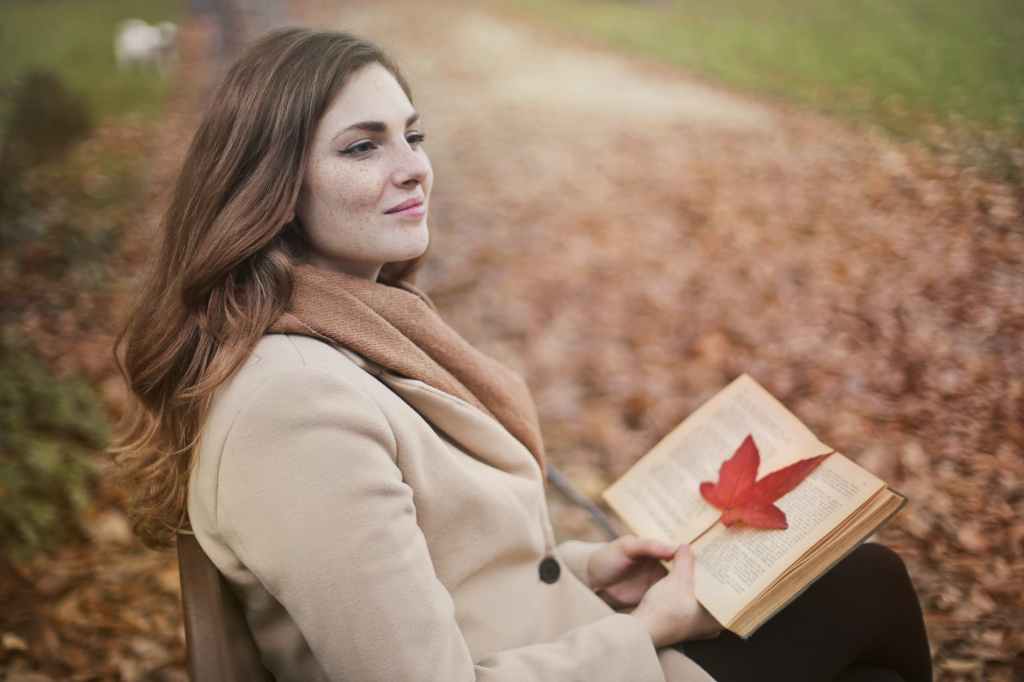
The first love
She was a teenager in love
For the very first time
She felt the joy
To express with all her heart
The joy of being with another
Two hearts so full of love
In a world all their own.
He wrote her poems
And read each one out loud
It was an idyllic love
Too good to be true
And in time life happened
And they parted ways
But the feelings still the same
Etched in memories
And never forgotten
No matter the ravages of time.
Yet life never stops for any one.
Life brings in beautiful moments
That makes life worth living
People come people go
But memories, last at eternity…
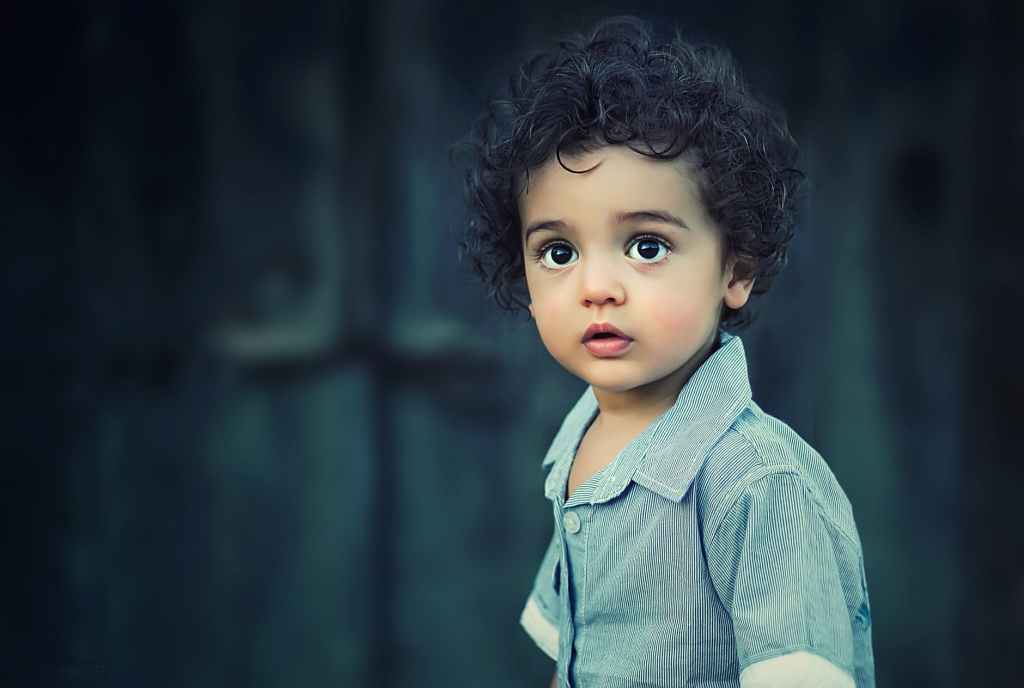
The Mother
She is old and wrinkled
Yet oft her memories rush
To that fateful day
When a trip to the beach
With friends and family
Changed her life forever.
For as the sun set on that day
In that crowded beach
She lost her only son
And the meaning to live on.
And to this day, in every crowd
Her eyes look out
Searching for her little son
In a sea of faces
No matter the river of time …
Life has its own challenges
For every life in the living
But hope is unending
For hope is here to stay.
Savvy
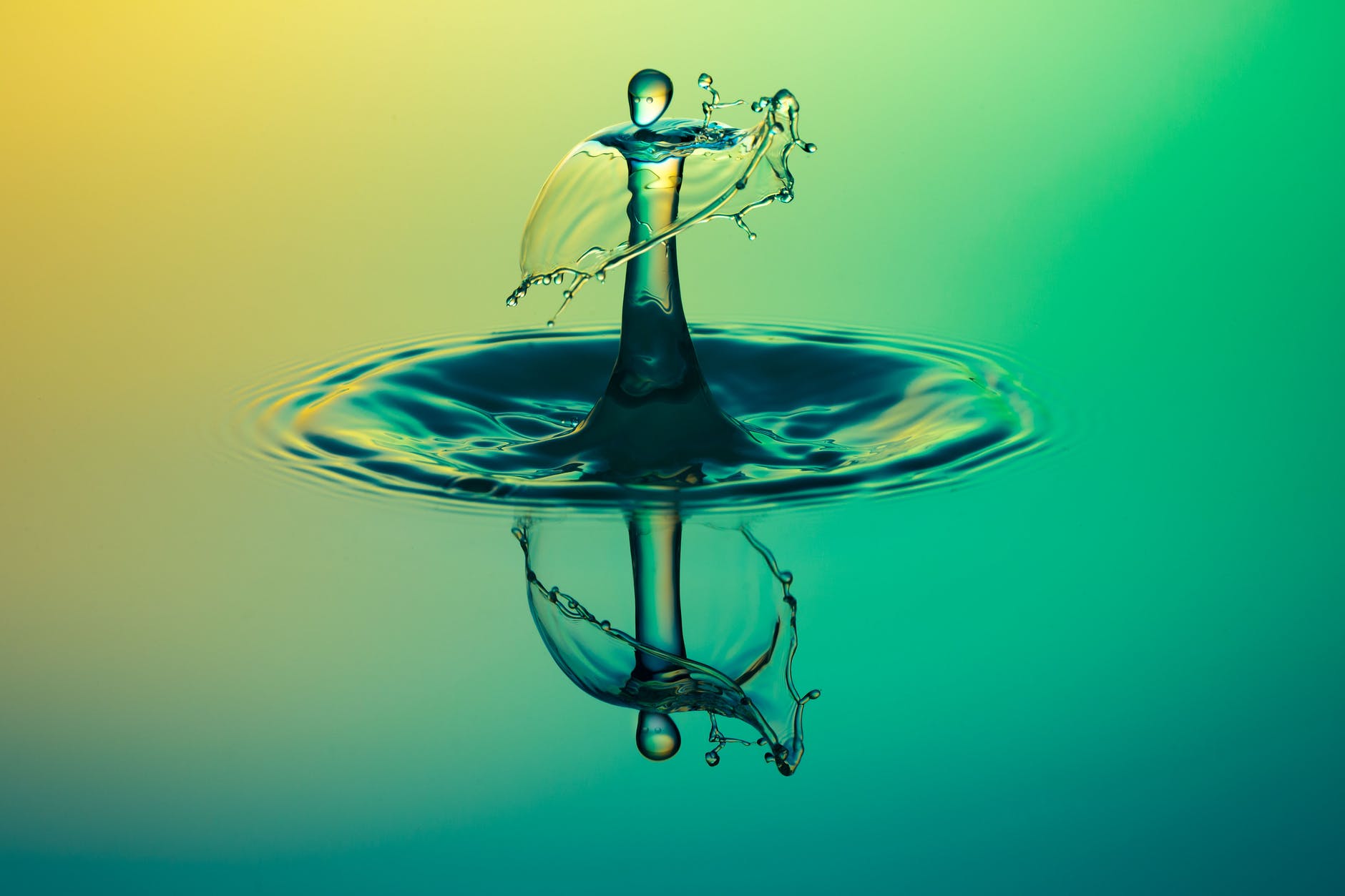
Every move has a reaction
In the cause and effect world
Forms shifting shapes
Colours changing hues
Where even the blink of an eye
A touch of the breeze
Or even a silent intention
Can set off a symphony in response
For all is aligned in connection.
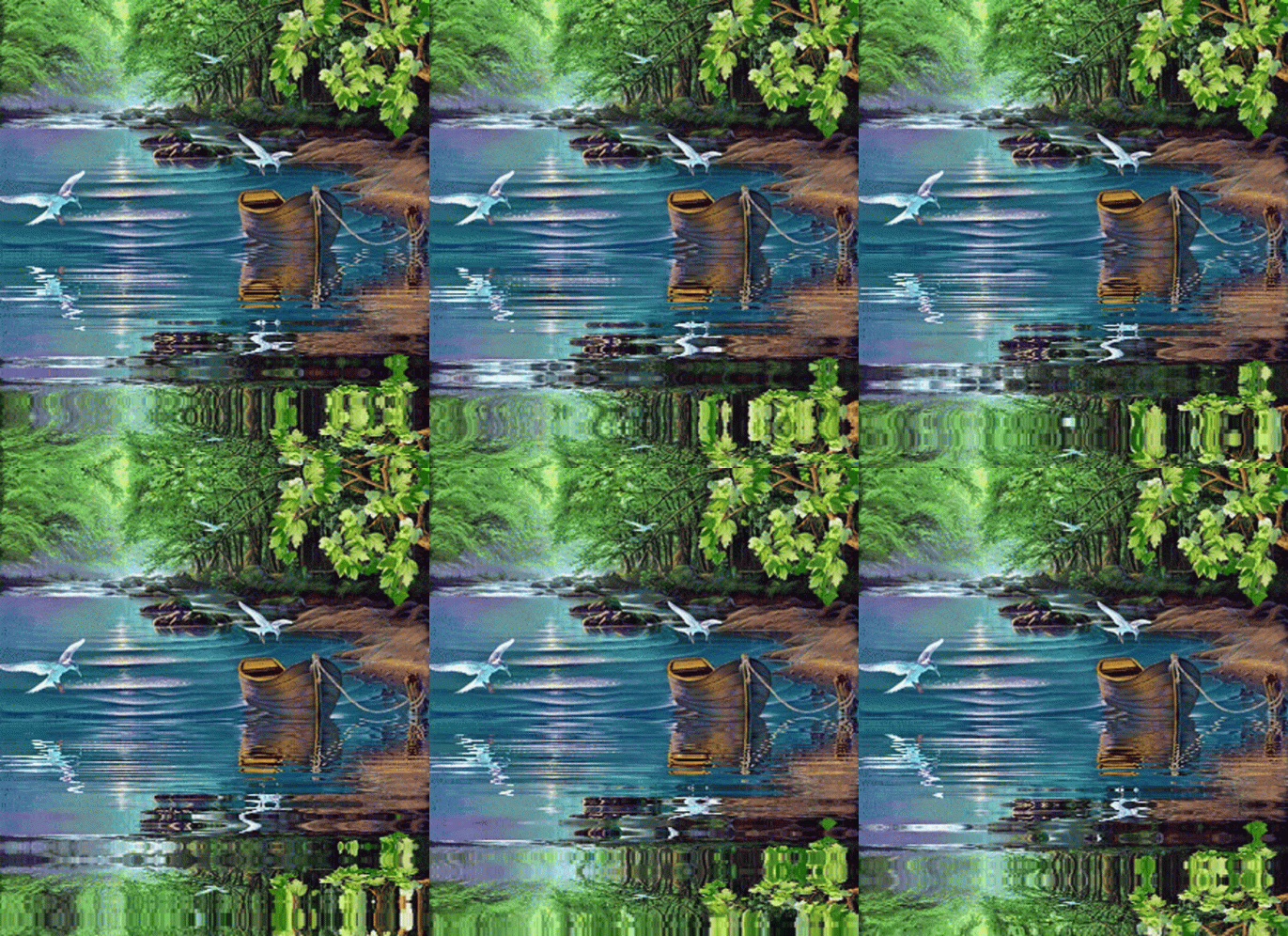
Twisted or helical structure
In a Self arranging universe
Reflecting retracting
Rotating revolving
Tuning itself in time
Blending in the balancing
Altered by sensitivity in subtlety
Interplay of Intelligence
Telling phenomenonal stories
Holding immense possibilities
In its infinite potential
Awaiting mindful application
In the journey of awakenings .
All is a dance of matter.
Savvy
.

Miracle of autumn
Colours changing season
Rich burnt orange rust
Fill leaves of green as they fall
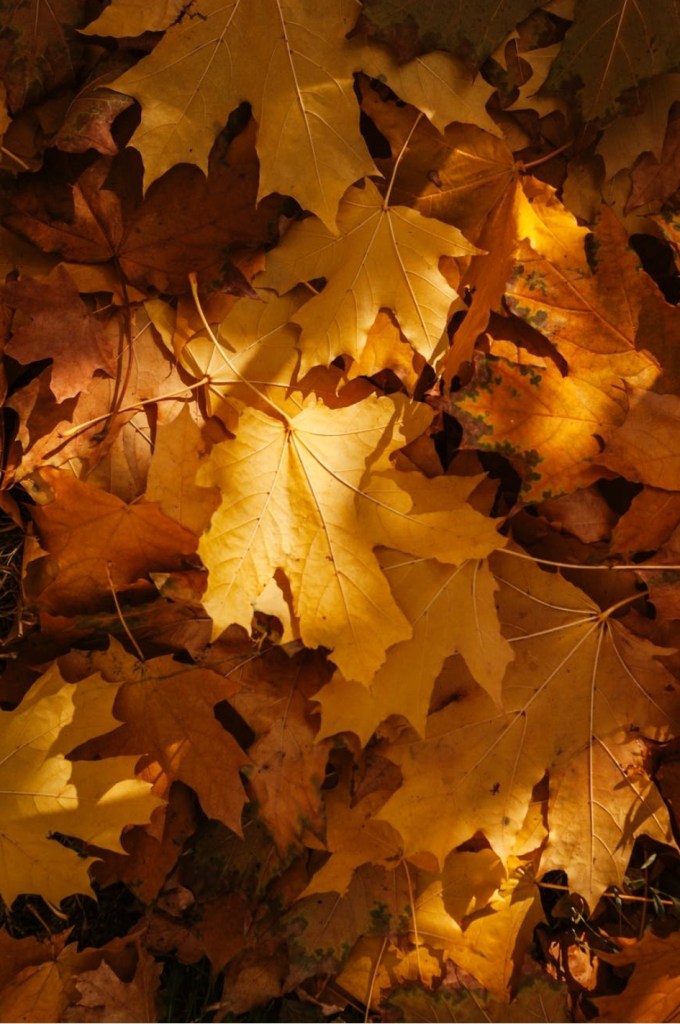
As if announcing arrival of fall
Signaling animals and birds
To prepare ahead of the cold
Of winters frost on the anvil
To brace the changing weather.
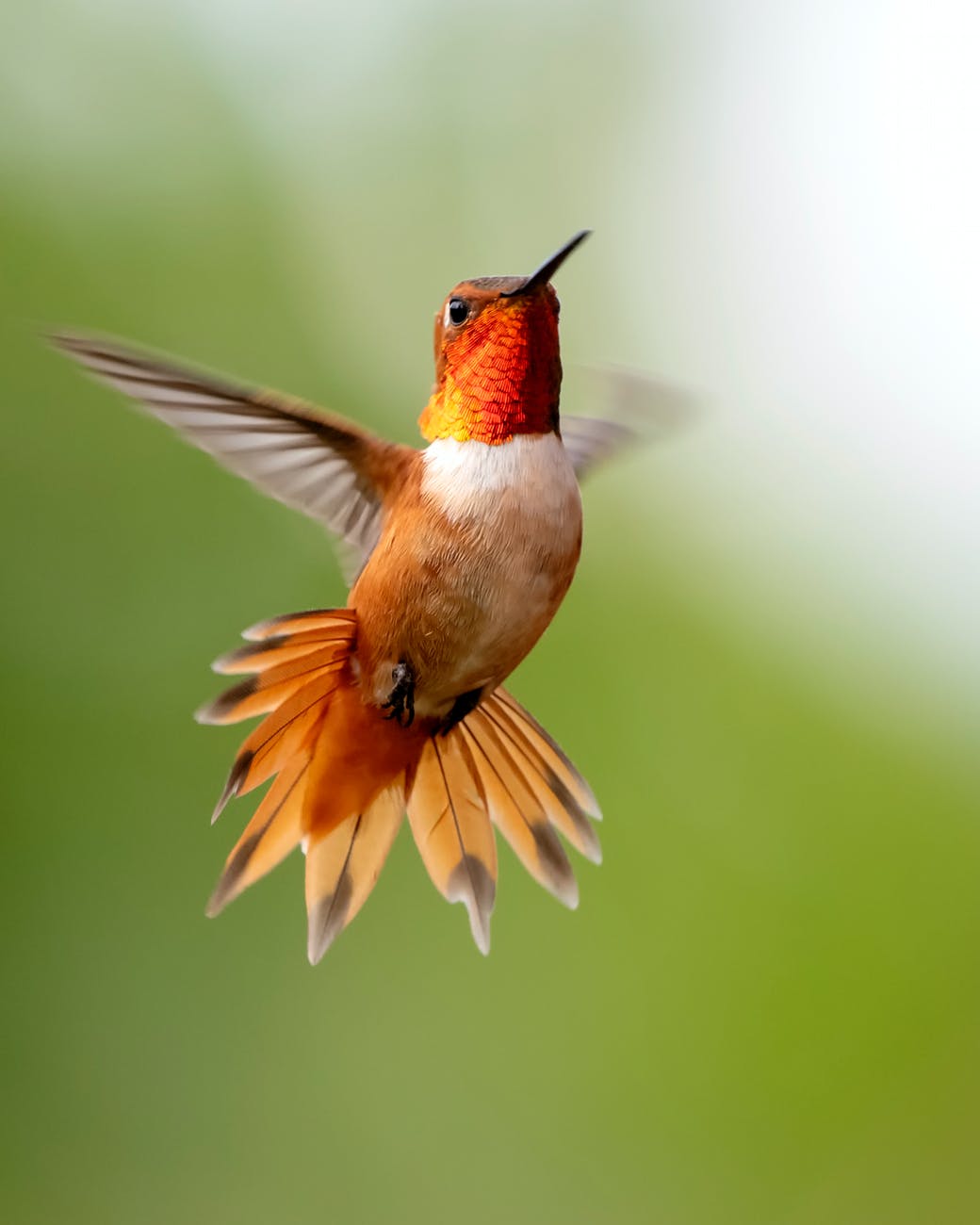
A season of love & embrace
Of long walks with loved ones.
Of long nights and shorter days
That heads through to winter.
Make the best of the changes.
Savvy
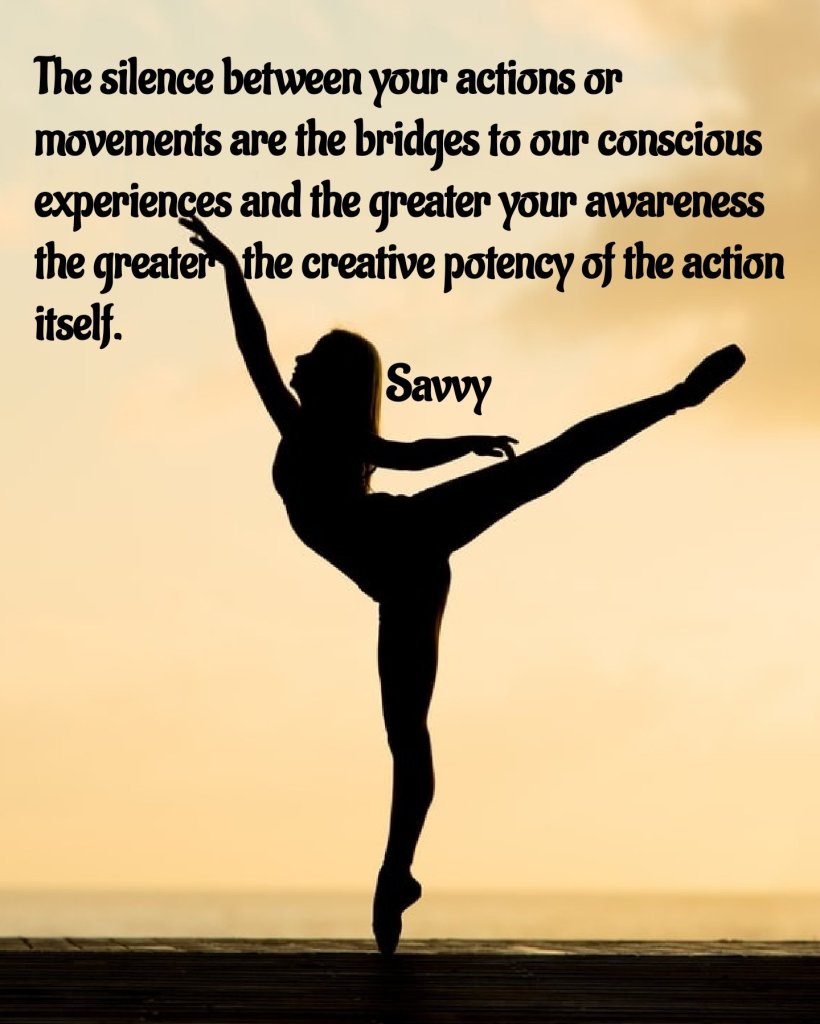
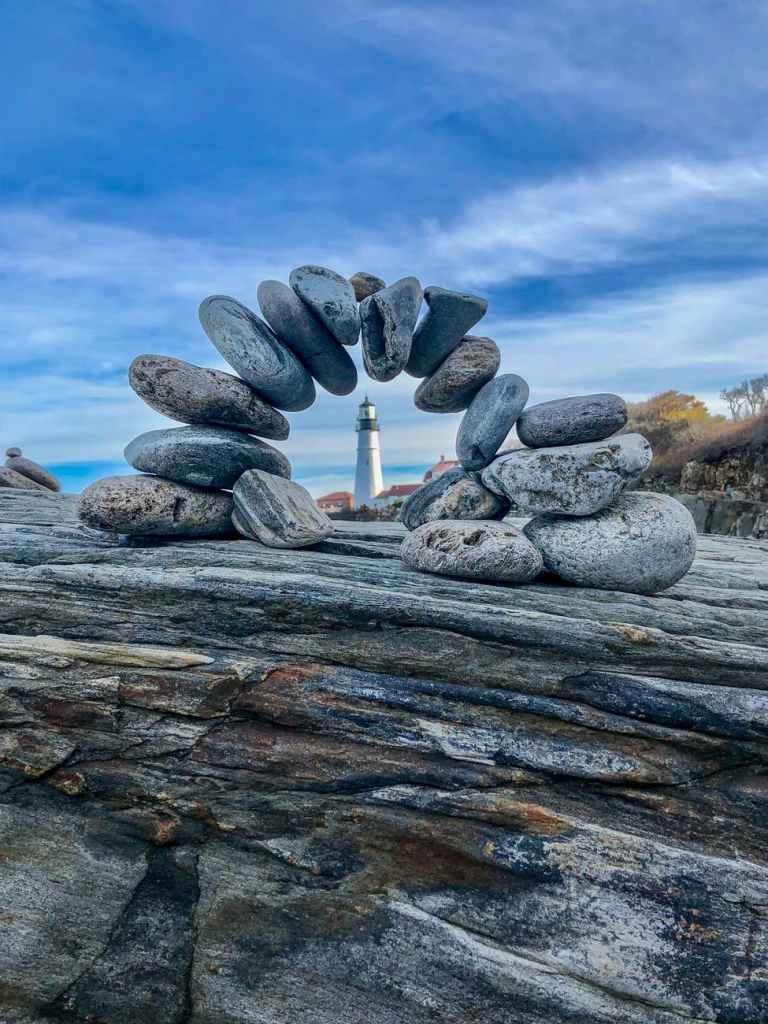
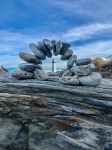
Sometimes what’s truly profound
Can be profoundly simple.
The strength of interconnects
Is about the strength in self support
In the world of design
What seems complex
Could be extremely simple.
In the way of interweave
In the intersection of the interconnects.
All is in the strength
In the sum of the intersections.
Savvy
The Bridge of Safety
Leonardo Da Vinci’s Self Supporting Bridge. Leonardo Da Vinci was an artist, inventor and engineer in the 15th century. His vision and calibre of mind allowed him to comprehend the twin worlds of science and art; he has
often been described as the archetype of the “Renaissance man”, a man whose seemingly infinite curiosity was equalled only by his powers of invention . He was a master of innovation, ingenuity and engineering.
He invented the self supporting bridge sometime between 1485-1487 to be used as an emergency bridge for troops in times of war. This unique design is held together by its own weight without requiring any ties or connections, in fact when a downward force is applied to the structure the braced members are forced to interlock and tighten together through the structural concepts of shear and bending. Da Vinci called it “The Bridge of Safety”.
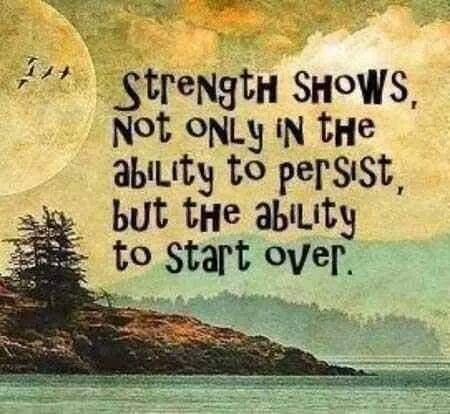
A glimpse of the intangible
Is often visible through signs
Like the strength of the soul
Appears in true forgiveness
In letting go of fear of failure
In ability to start all over again
In letting go of negativity
In ability to center the self
In letting go of revenge mentality
In the ability to share kindness
In sensing the lightness of being
In awareness of the bigger picture.
The strength of the soul shines through.
Savvy
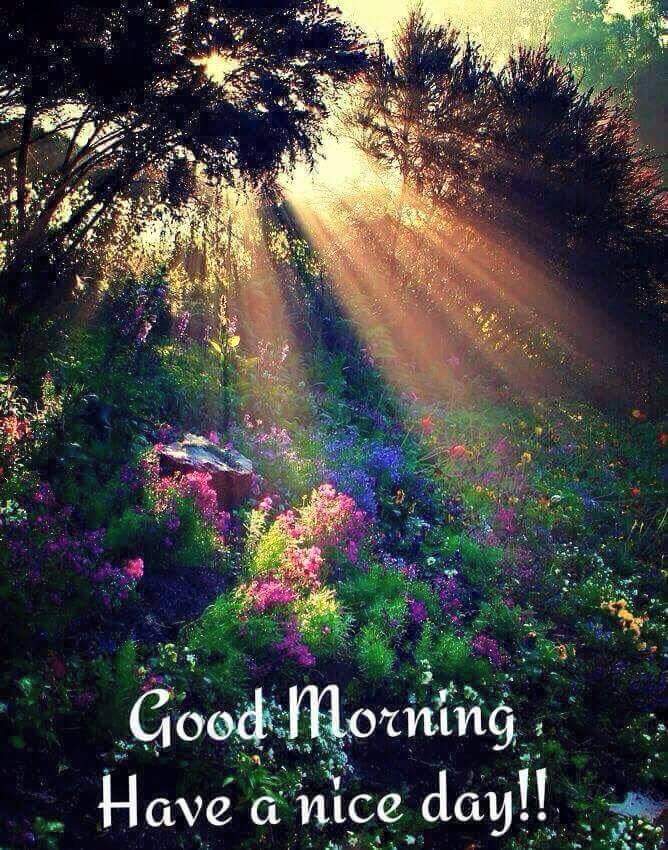
This morning I witnessed
A glorious vision awaiting me…
The ‘Rays of the Sun’
Sharing light, hope
And blessings through the trees
Energizing the spaces
In and around me…
Such a picture perfect moment.
While sensing the Grace of the Sun.
Savvy






You must be logged in to post a comment.