
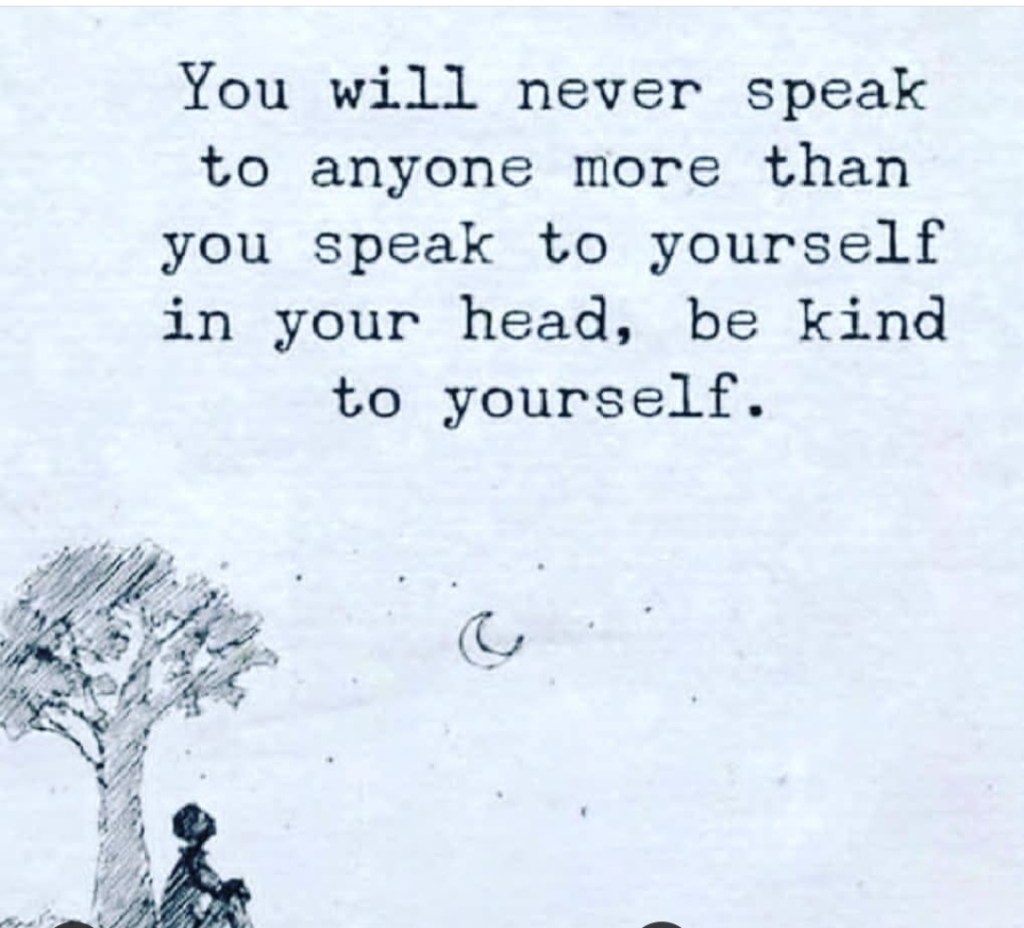
Good reminder on self care for keeps
Good reminder on self care for keeps

Interplay of colours
Find balance in the blending…
Strangely true. Opposites attract.
Have added my painting to depict this quote I came across today..
The cynic finds love with the idealist. The rebel with the conformist. The social butterfly with the bookworm. They help each other balance their lives. Joyce Brothers

Hiroyuki Sanada once said, “There are those who want a swimming pool in the house, while those who have one barely use it. Those who have lost a loved one feel a deep sense of loss, while others who hold them close often complain about them. Those who do not have a partner yearn for him, but those who have, sometimes do not value him. The hungry would give anything for a plate of food, while the well-fed complains about the taste. The one who doesn’t have a car dreams, while the one who has one is always looking for a better one. The key is to be grateful, look carefully at what we have and understand that somewhere, someone would give everything for what you already have and don’t appreciate.”
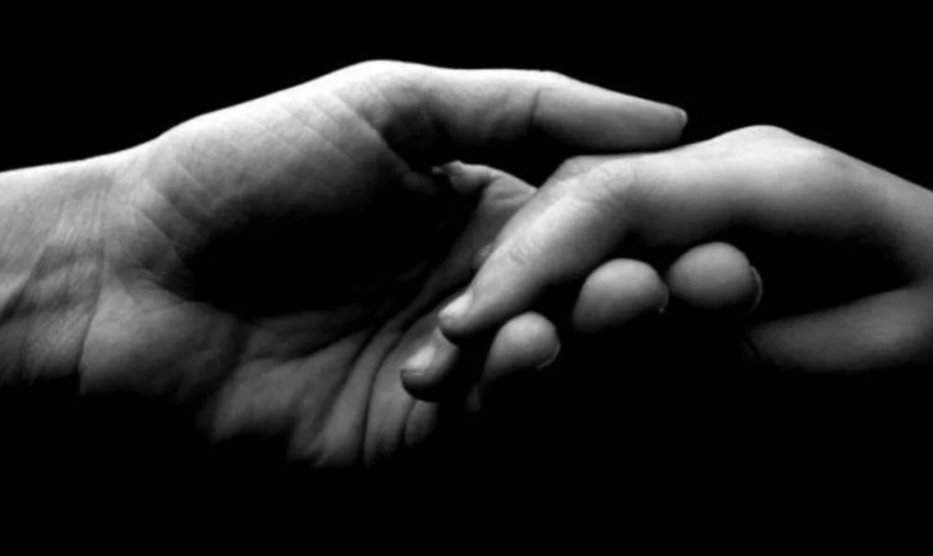
Can I hold my own hand
And close my eyes for a while
And listen to my beating heart
As I still myself and pause.
There is so much to listen in
Body spirit and mind speaks
As it all begins to make sense.
Heart emotes the feelings
Brain thinks the words out
Hopefully logical
Emotionally rational
All it wants is a listening ear
To understand empathicaly
Sensing the harmony
To heal the self
Aligning energy in synchrony.
An evening contemplation.
Savvy Raj

Meet life with enthusiasm
Build cheer to cope with disappointment
Build resilience to face challenges
Build courage in the changes
And sense life in faith & humility
Namaste 🙏
Who am I
What is my digital presence signifying to you?
Am sure the thought will cross everyone of our minds.
While as a writer there is much that is said by me , there is still parts of me none may know….
Each of our digital presence speaks much about us in the age of technology we are leaving realms if data insights in every interaction post and comment. Through it all we are all responsible for the personna we share .
But if algorithms have their way they may predict and analyze much more than we can handle and that would a be a challenge to our identities.
What are your thoughts on this ?
Savvy


Every moment is a cornucopia of sensing Fleeting thoughts in the making Feelings and emotions reveal themselves. Between action and inaction And in the stillness in between Like the ebb and flow on the tides While at times amplifying & complicating situations By tilting the tuning of the body and mind. Sometimes overpowering almost self […]
Paradox of Emotions

On Analysis Paralysis
Some of the common Symptoms: Overthinking ,lack of focus, Stress ,Frustration, Racing thoughts .Indecisiveness in high pressure situations, Cognitive confusion. Tiredness Sleeplessness etc.
If you are feeling caught
In a swirl of thoughts & emotions
As if you are being engulfed
In a whirlwind of overthinking…
Perhaps about family & relationships
Or your career or finances etc
Where you feel stuck in a loop
Unable to take a decision
Or move forward with a solution.
It could be Analysis Paralysis.
While anyone of us may have experienced it, people with inflexible and fixed mindset often find themselves in this dilemma.
On the other hand people who are sensitive and empathy also find themselves unable to take a decision to move forward if it is going to upset another .
In fact Analysis Paralysis can create blockages for intuitive people and hence they need to understand it to address it.
If you are experiencing it now here are few solutions to manage it.
An interesting quote on relationships I read this morning…
The relationship between commitment and doubt is by no means an antagonistic one. Commitment is healthiest when it’s not without doubt but in spite of doubt.
Rollo May
As I reflected on the above words a few thoughts came to me…
On life and relationships
Is there an interplay of doubt and commitment?
Is there commitment when in doubt?
What happens when doubt creeps in the committed?
Whenever they intersect there are conflicts
Whether at opposition or not
Both are in thoughts
Dashing from one extreme to another
At times contradicting at times rationalising
And returning back to apparent normalcy
When doubt dances in, commitment feels the burn
When commitment is strong, doubt rests on the back burner.
Have always felt there needs to be trust in a relationship as much as compromise else even the strongest of relationships fall apart.
What are your thoughts ? Do share.
I have received this poem below through a social media forward.
And I think I needed to read it today.
It put many things in perspective.
You see, there have been some small and inexpensive things missing at home . We have two house helpers And I was not sure who is the culprit.
They have been with us for a while and I have senior parents who live at home so I was letting it go and keep calm, because it was easier as it was causing a lot of unnecessary confusion and doubt.
In the meantime two months ago I replaced one of them. And I had felt a sense of relief somehow. And today the other is about to go on leave for the customary annual holiday. It will mean a lot of work for me personally until I find a helper. Yet I have been feeling positive that better is happening and all is for a good reason. Sometimes we grin and bear for the fear of changing statesquo…
While I cannot get my lost things as I have no proof, I think I needed a calm perspective to help me find me a way…
While I do believe that we must take action on that which is within our control , these words touched a chord in me..
This being human is a guest house.
Every morning a new arrival.
A joy, a depression, a meanness,
some momentary awareness comes
as an unexpected visitor.
Welcome and entertain them all!
Even if they are a crowd of sorrows,
who violently sweep your house
empty of its furniture,
still, treat each guest honorably.
He may be clearing you out
for some new delight.
The dark thought, the shame, the malice.
Meet them at the door laughing and invite them in.
Be grateful for whatever comes.
Because each has been sent
as a guide from beyond.
— Rumi
If ever you are in a position where you are hurt and helpless and want to help yourself out of this situation check on your own behavior
Are you speaking and sharing more than you should?
Are you over explaining and try to match up to anothers expectations and not valuing your own strengths?
Are you defending yourself when the other person refuses to understand anothers perspective?
Are you too sensitive and taking things personally when actually the source of the issues or the problem is not you at all?
Often it is self awareness that is the first step towards bettering your life.
A self check to see your reactions is definitely a way to improving how you handle and manage difficult people in life.
Tbe way to make life favorable to you , is in living as if all is rigged in your favor.
Savvy

As life can be truly challenging
We all have worried about it
Yet worries don’t change things
Acting on the issues does.
So instead of worrying today
Whenever you begin to worry
Can you thank your worry
For trying to be helpful ?
And remember to make it a habit.
If you realise you are worrying
Work on worry everytime
Thank it again & again.
It is simple to do yet impactful.
Sometimes as perspectives shift
Solutions, find space to emerge.

In our life
There are all kinds of times
Life can seem unforgettable
With myriad memories…
All is transient
Sometimes it seems unforgivable
And yet…
When you don’t feel like forgiving
You give yourself the choice
For you can choose to forgive
If you do so…
Your life also evolves for the better
Choose to let go the unpleasant
For it makes no sense to hold on.
Change awaits to make a positive difference.
Choose well and in time.
Savvy
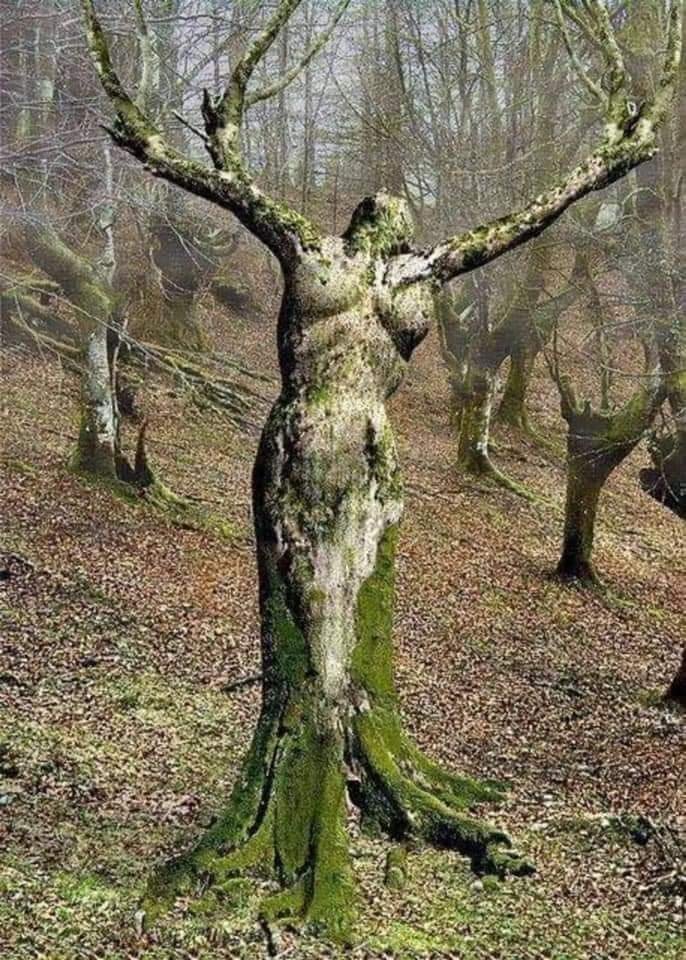
If trees could talk
Think what all they would share.
For trees are all about sharing
They share their all
And even their shade with us
But if trees begin to share
Their woes with us
They will have stories
From eons ago
Of human need and greed
Of rearing them
To leaving them barren
To be axed someday
Think, if trees could talk
Humans will have no where to hide
Their demonic acts of chopping them down
In the name of development
The world needs it’s green cover more than ever
Our forests need us to talk for them
And take it upon ourselves to nurture these trees .
Savvy










You must be logged in to post a comment.